At Dr. Samiran Dey’s clinic, we specialize in Orthopedic treatments for a wide range of chronic and lifestyle-related conditions.
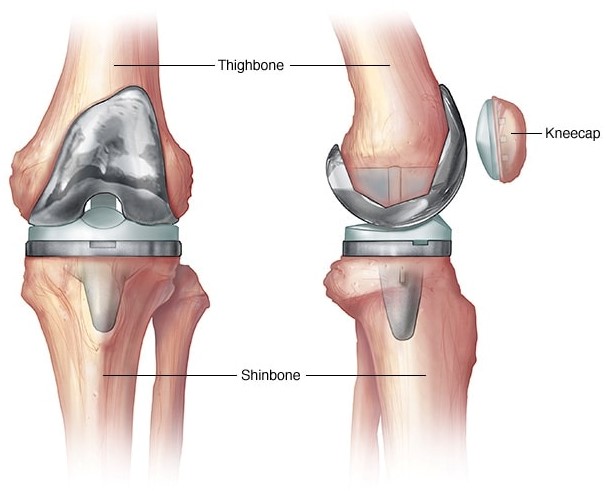
Total Knee Replacement
A highly effective surgical procedure where the damaged surfaces of the knee joint are replaced with artificial implants. It is recommended for patients with severe arthritis or joint degeneration, helping restore function, reduce pain, and improve quality of life.
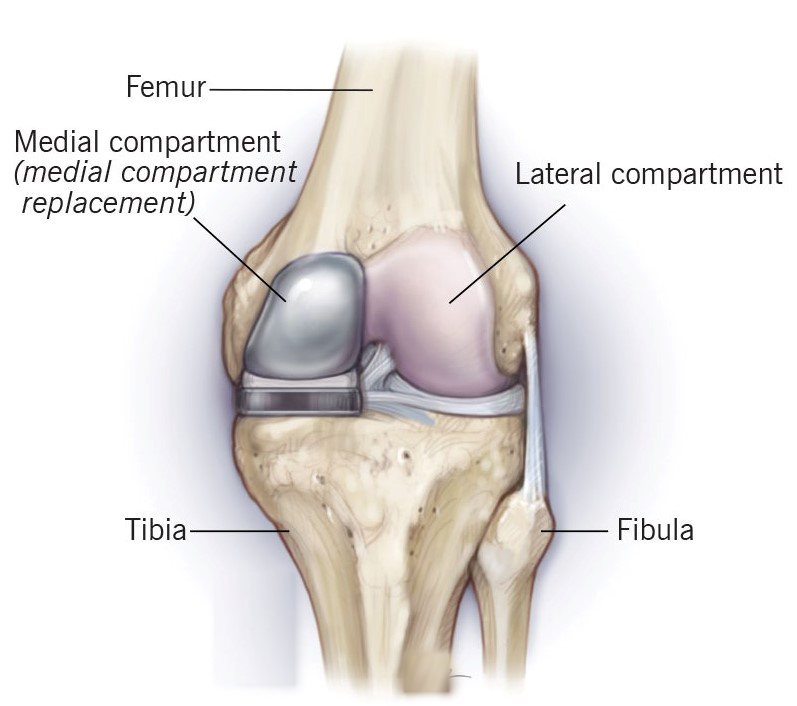
Partial Knee Replacement
This procedure involves replacing only the affected compartment of the knee, preserving the healthy bone, cartilage, and ligaments. It offers faster recovery, less pain, and more natural knee movement compared to total knee replacement, suitable for early-stage arthritis.
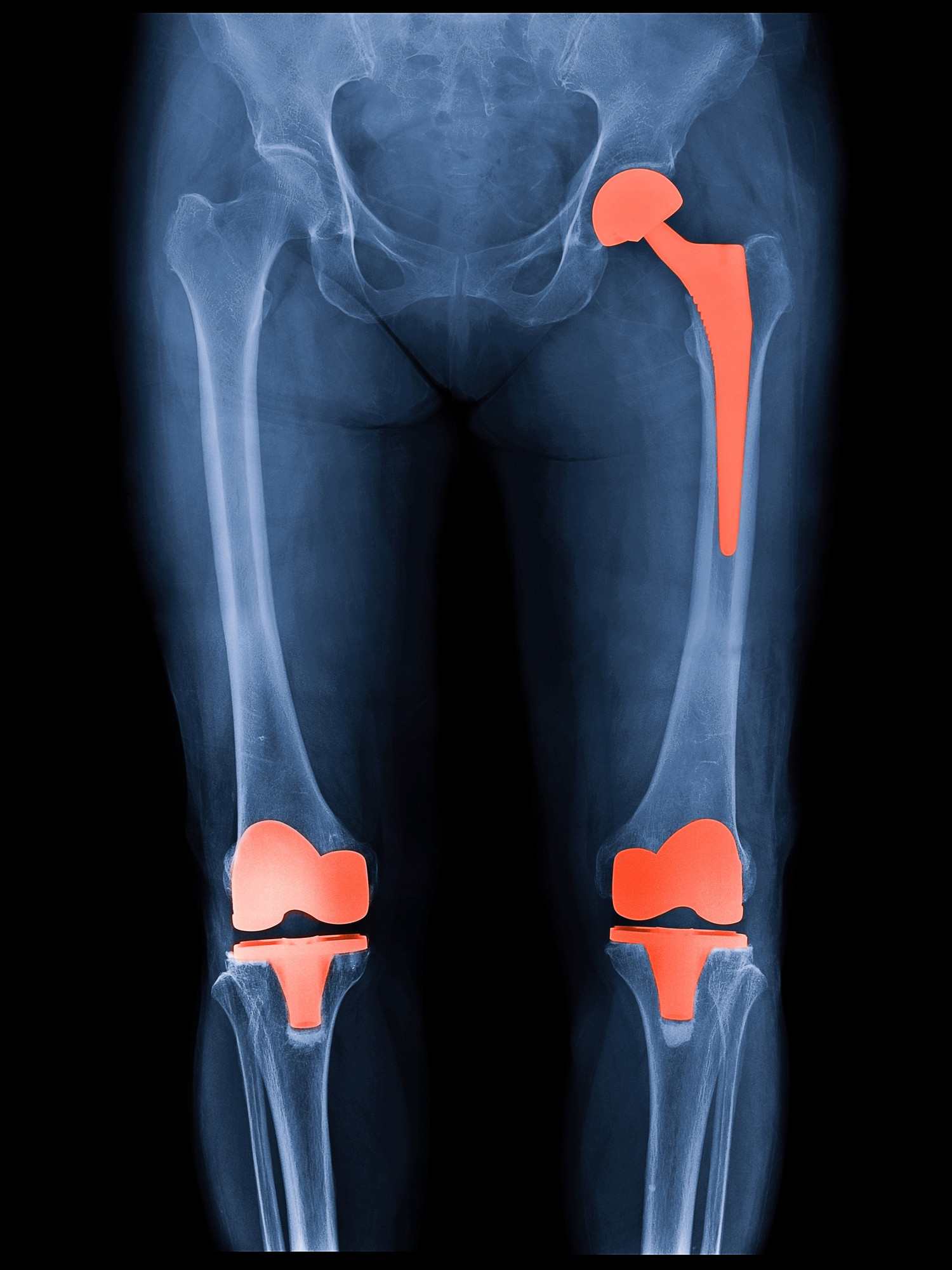
Total Hip Joint Replacement
A surgical intervention where the damaged ball-and-socket hip joint is replaced with a durable prosthesis. Ideal for patients with osteoarthritis, fractures, or hip degeneration, it significantly reduces pain and enhances mobility and daily activity levels.
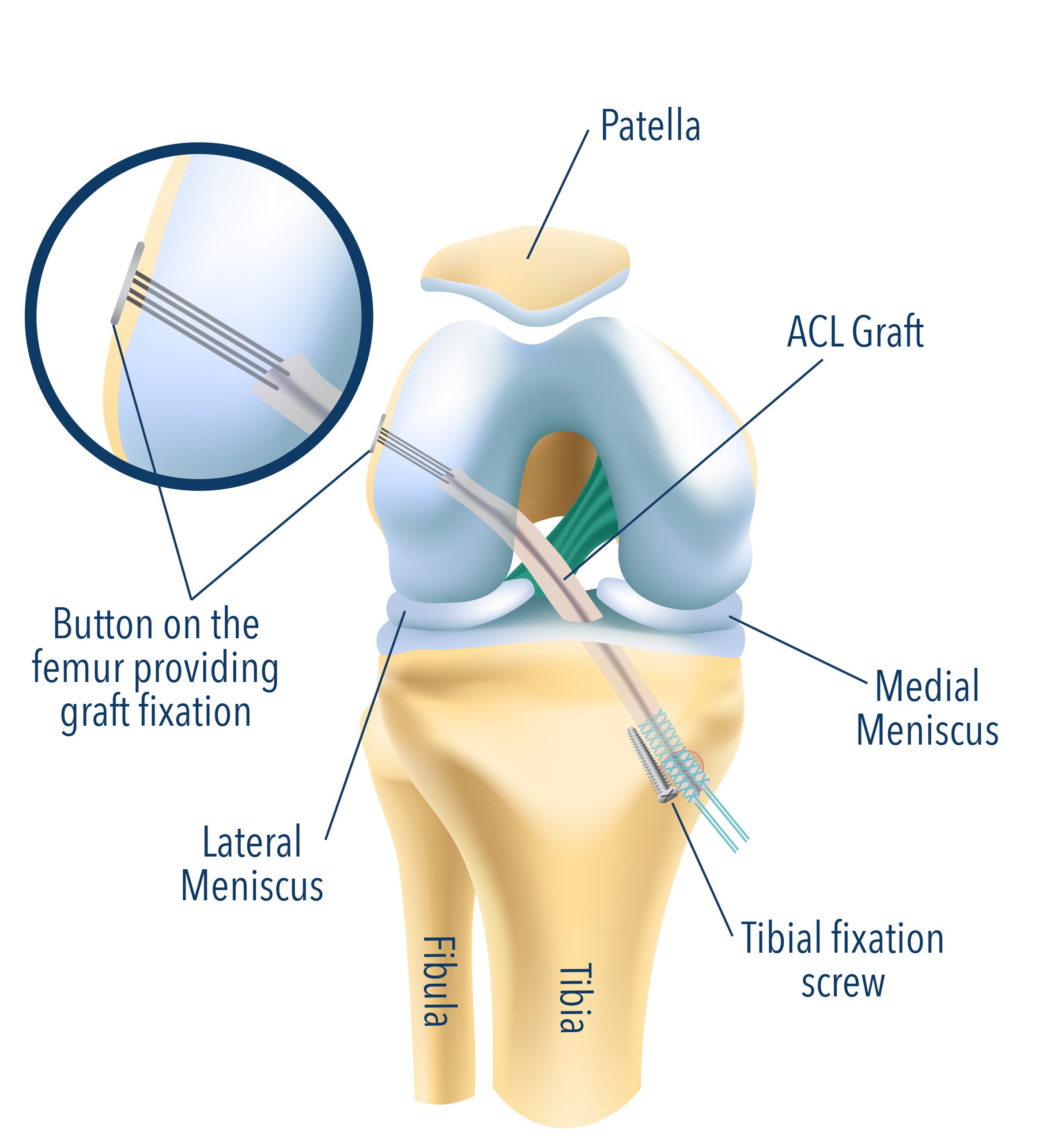
ACL Reconstruction
A common orthopedic surgery to repair or reconstruct the torn Anterior Cruciate Ligament (ACL) in the knee, often caused by sports or trauma. Using grafts, the procedure restores knee stability and function, allowing patients to return to active lifestyles.
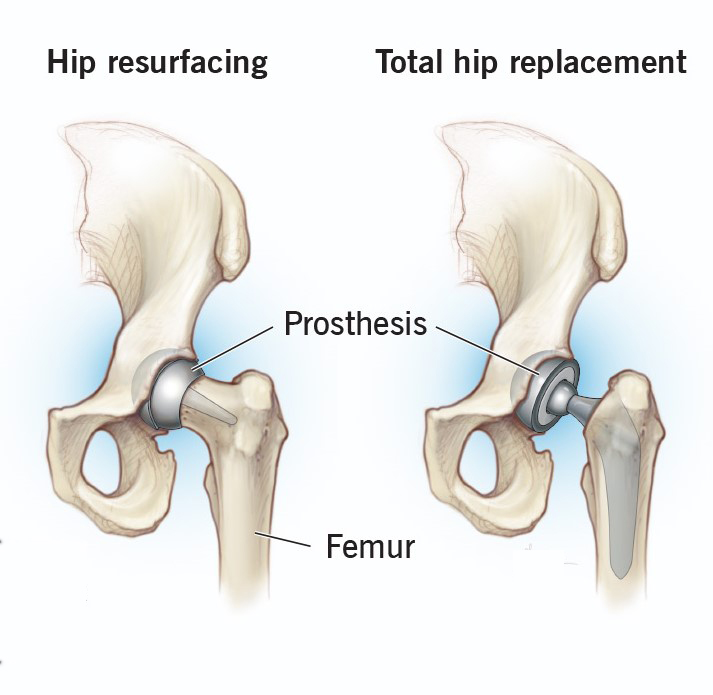
Hip Resurfacing
An alternative to total hip replacement, especially for younger, active patients. It involves capping the femoral head with a metal prosthesis rather than removing it entirely, preserving more natural bone structure and allowing higher impact activity post-recovery.
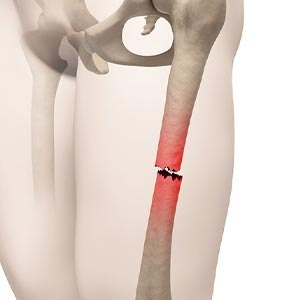
Complex Trauma Injury
Management and surgical repair of severe injuries involving multiple fractures, dislocations, or crushed bones due to high-impact accidents. Treatment requires multidisciplinary care, advanced fixation techniques, and post-operative rehabilitation to restore limb function.
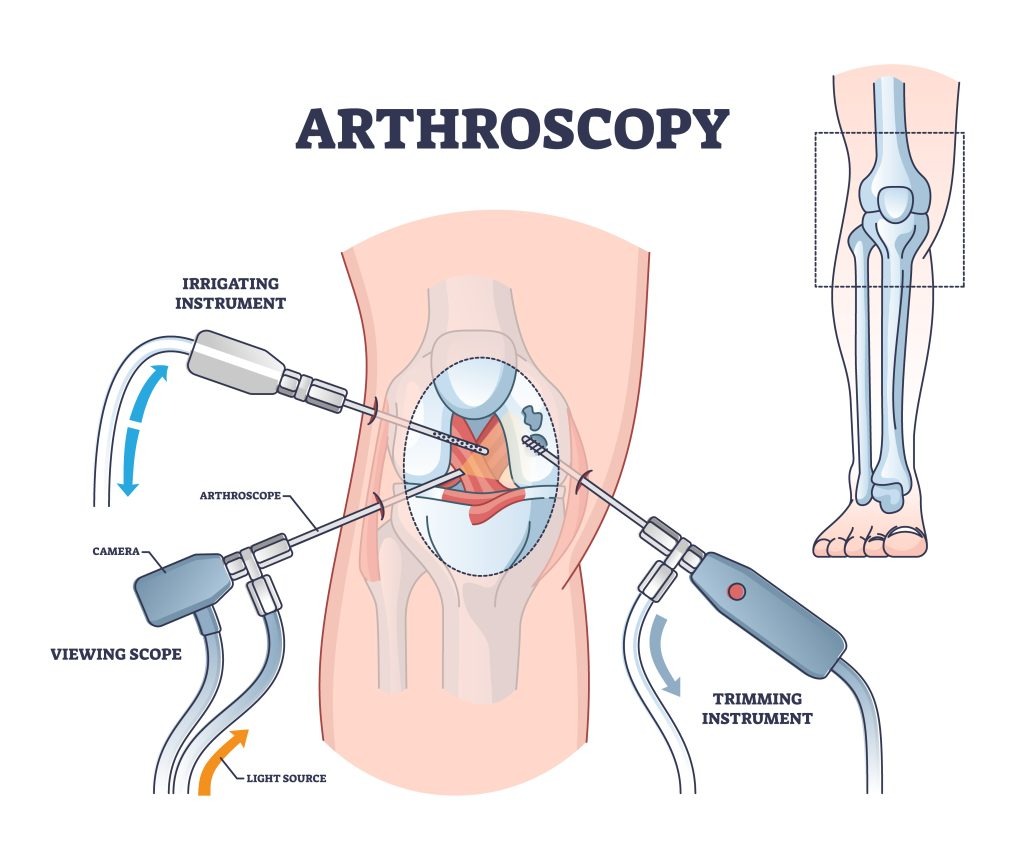
Arthroscopy
A minimally invasive diagnostic and surgical technique using a small camera (arthroscope) inserted into the joint. It helps treat conditions like ligament tears, cartilage damage, and joint inflammation, offering quicker recovery, less pain, and minimal scarring.
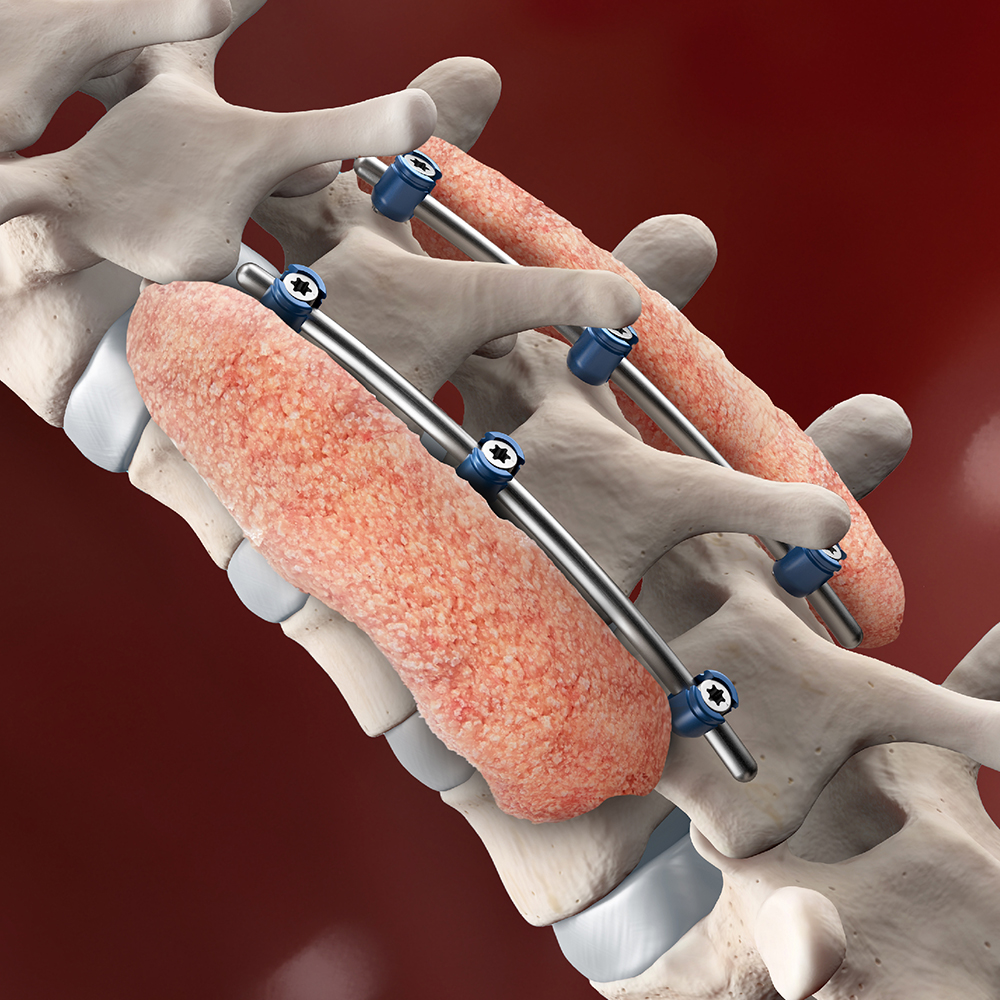
Spine Surgery
Performed to relieve chronic back pain, nerve compression, or spinal instability caused by conditions like disc herniation, scoliosis, or spinal stenosis. Advanced techniques like minimally invasive or endoscopic spine surgery ensure faster recovery and long-term relief.
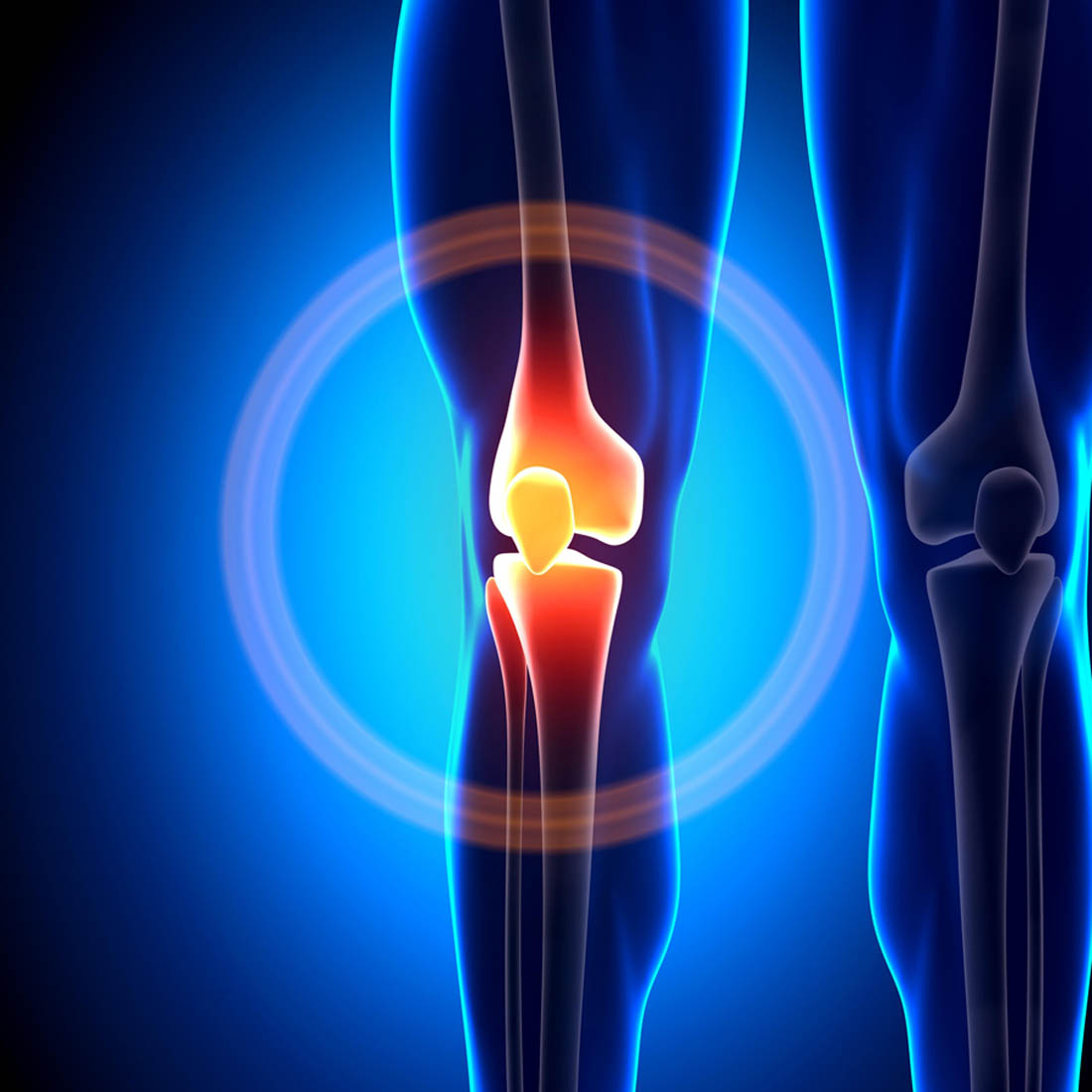
Joint Pain Treatment
A comprehensive approach including physiotherapy, anti-inflammatory medications, injections (like PRP or hyaluronic acid), and lifestyle changes. In advanced cases, surgical options like joint replacement or arthroscopy may be recommended to restore mobility.
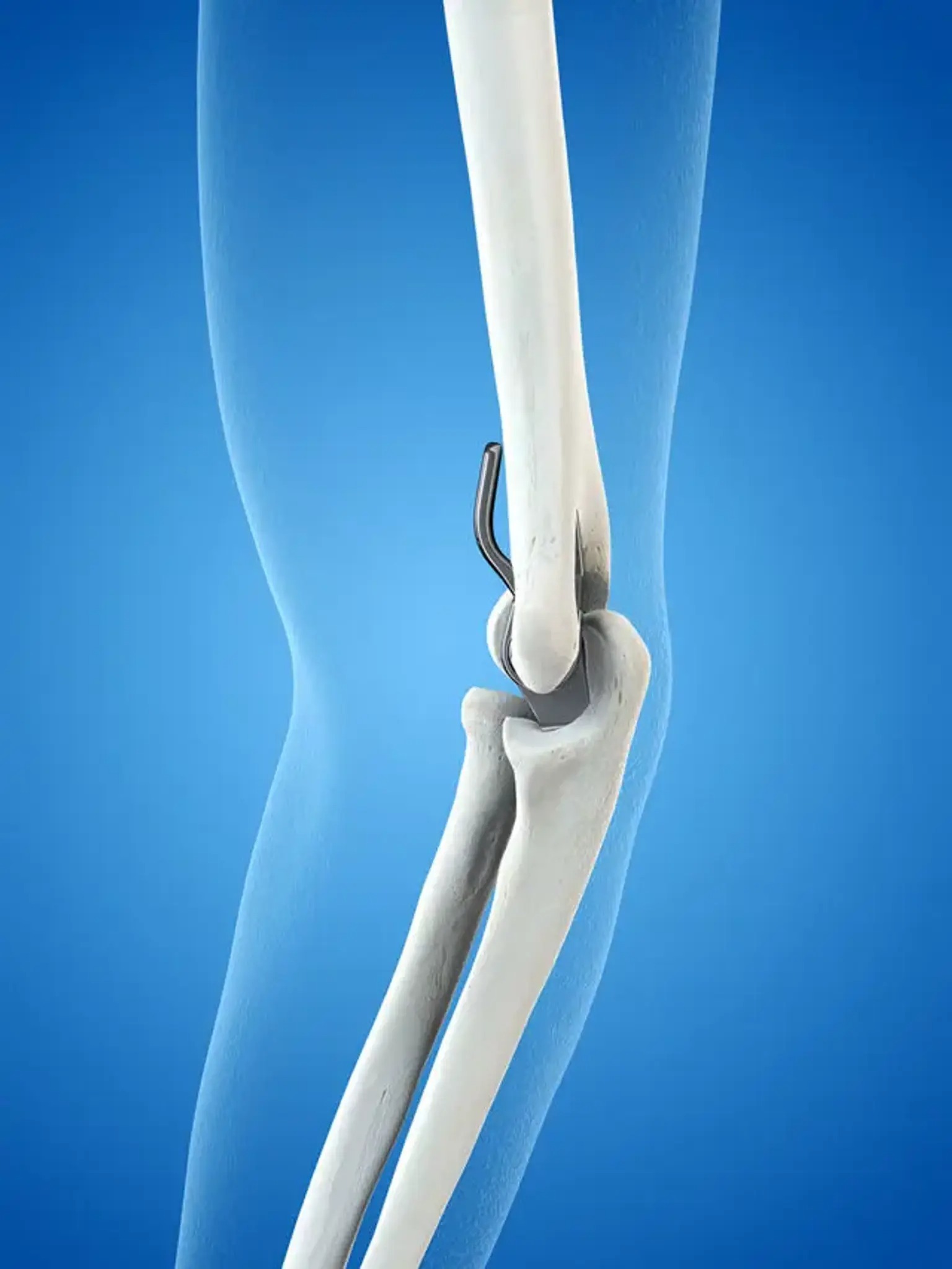
Elbow Replacement
A surgical procedure to replace a severely damaged elbow joint with an artificial implant, often due to arthritis, fractures, or deformities. It relieves pain, improves joint alignment, and restores arm function for everyday activities.
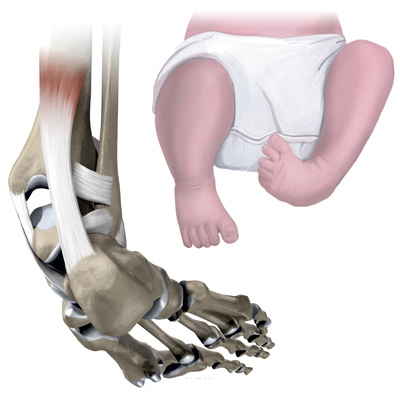
Club Foot Treatment
A corrective procedure for a congenital deformity where a baby’s foot is twisted inward or downward. Treatment typically involves the Ponseti method (casting and bracing), and in some cases, surgery, to ensure proper foot alignment and normal walking ability.
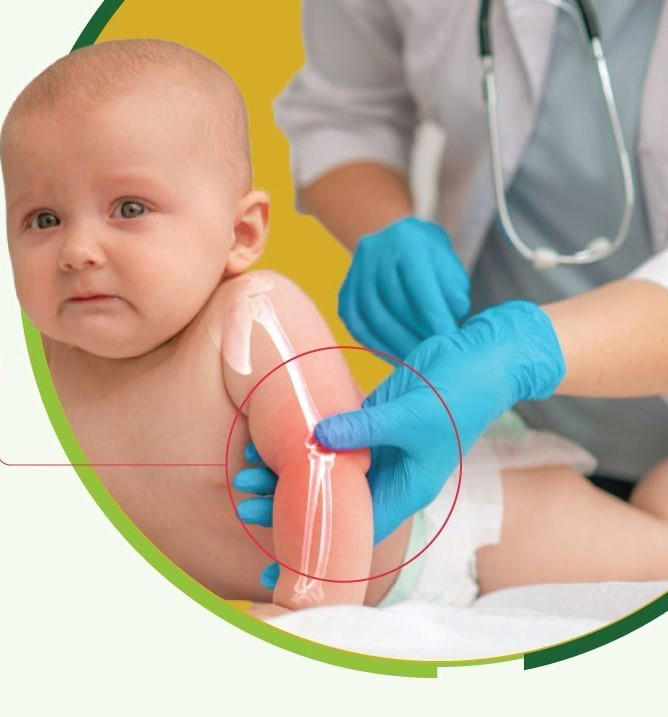
Pediatric Orthopedic
Pediatric Orthopedic Care focuses on diagnosing and treating bone, joint, and muscle conditions in infants, children, and adolescents. Since children’s bones are still growing, their orthopedic needs are different from adults and require specialized expertise.